News
The I MED Regions Resilience Forum advances risk anticipation in the Mediterranean
- May 15, 2026
- Meteorology and Climatology
Samira Khodayar participates in the forum promoted by the Generalitat Valenciana as a first step towards the Mediterranean Alliance for the Prevention of Natural Risks.

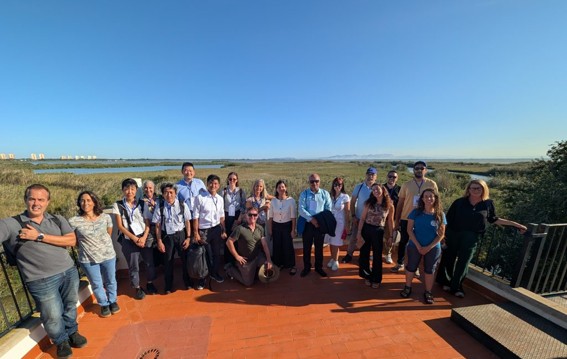
The Mediterranean Centre for Environmental Studies (CEAM) participated in the I MED Regions Resilience Forum, held at Casa Mediterráneo in Alicante and promoted by the Generalitat Valenciana as a first step towards the creation of a Mediterranean Alliance of Regions for the Prevention of Natural Risks.
The event brought together institutional, scientific, technical and operational representatives from different Mediterranean regions and countries, including Spain, France, Italy, Tunisia, Morocco and Malta, with the aim of strengthening cooperation in the face of increasingly frequent, complex and interconnected natural and climate-related risks. The issues addressed included wildfires, floods, droughts, desertification, water stress, coastal impacts and territorial vulnerability.
One of the central messages of the forum was the need to move from an approach focused mainly on emergency response towards a model based on prevention, planning and risk anticipation. In this context, the Mediterranean is one of the regions most vulnerable to climate-related risks, with warming above the global average, increasing exposure to extreme events and growing pressure on ecosystems, water resources, forest areas, cities and coastal zones.
The programme included strategic contributions from Ruth Merino, Regional Secretary for Representation before the European Union and the Autonomous Communities and External Action; Vicente Martínez Mus, Third Vice-President and Regional Minister for the Environment, Infrastructure, Territory and Recovery; and Raúl Mérida Gordillo, Commissioner for Recovery of the Generalitat Valenciana. It also included contributions from Joan Borrell, Deputy Secretary General for Stability and Resilience of the Union for the Mediterranean, who presented the 2025–2030 strategic vision for stability and resilience in the Mediterranean, and Laurent Alfonso, senior advisor linked to the European Union Civil Protection Mechanism, with a keynote focused on civil protection, resilience and disaster risk reduction.
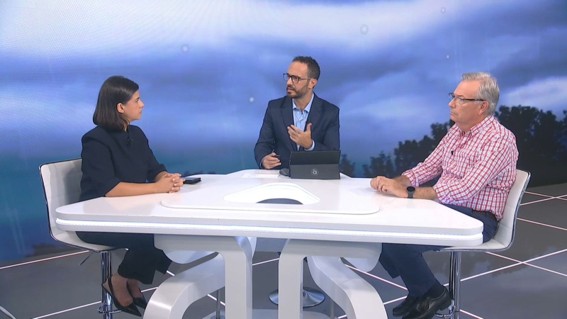
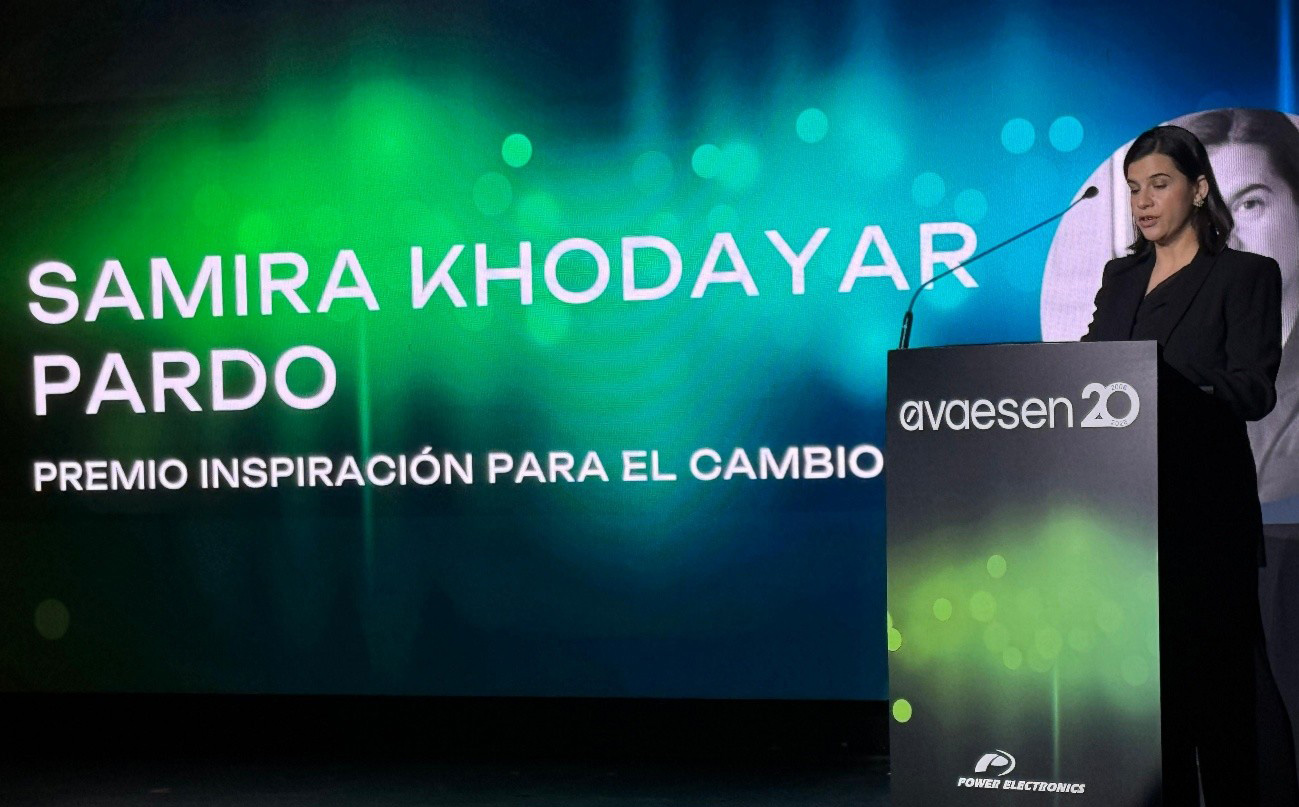
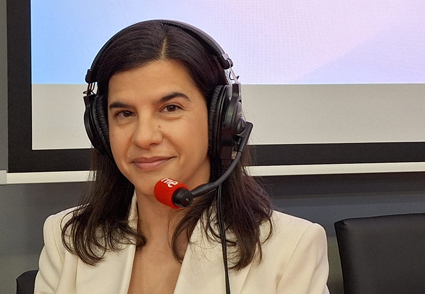
The coordinator of CEAM’s Meteorology and Climatology Area, Samira Khodayar Pardo, took part in the panel “From Strategy to Implementation: how to formulate the Regional Agenda for Natural Risk Prevention and what its main implementation tools should be”, moderated by José Vicente Oliver, Professor at the Universitat Politècnica de València.
The panel also included María Cruz Ferreira Costa, Regional Secretary for Energy, Sustainability and Climate Action of the Region of Murcia; Elodie Nules, Secretary General of the Intermediterranean Commission of the Conference of Peripheral Maritime Regions; and Miriam Gil, Director General for Innovation in Emergencies of the Generalitat Valenciana.
During her contribution, Khodayar highlighted the importance of turning climate knowledge into operational intelligence for public decision-making. To this end, she stressed the need to integrate data, observations, scenarios, models and indicators into prevention, adaptation and territorial planning policies.
She also identified three key priorities to strengthen Mediterranean resilience: incorporating climate information into territorial, water, forest, urban, coastal and infrastructure planning; strengthening early warning systems and information platforms; and consolidating stable Mediterranean cooperation based on shared standards, common tools, joint protocols and institutional capacities.
One of the milestones of the forum was the signing of the Mediterranean Alliance for the Prevention of Natural Risks, through the Alicante Declaration, which represents an important step towards establishing cooperation mechanisms, shared tools and joint action protocols for emergencies and natural disasters in the Mediterranean region.
The role of Interreg NEXT MED, Interact and European territorial cooperation was also one of the key themes of the event. In the Mediterranean, cooperation between territories is not an accessory element of resilience, but an essential part of the infrastructure needed to better anticipate, prevent and manage risks.
CEAM’s participation in this forum reinforces its contribution to the development of scientific knowledge applied to climate risk anticipation, territorial adaptation and support for public decision-making in the Mediterranean.