News
Reflection Day “Lessons Learned after the DANA in València” at the University of Valencia
- October 28, 2025
- Meteorology and Climatology
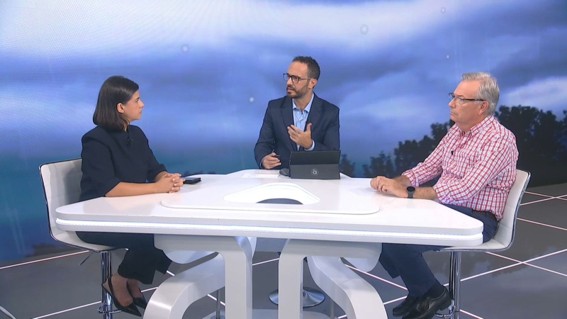
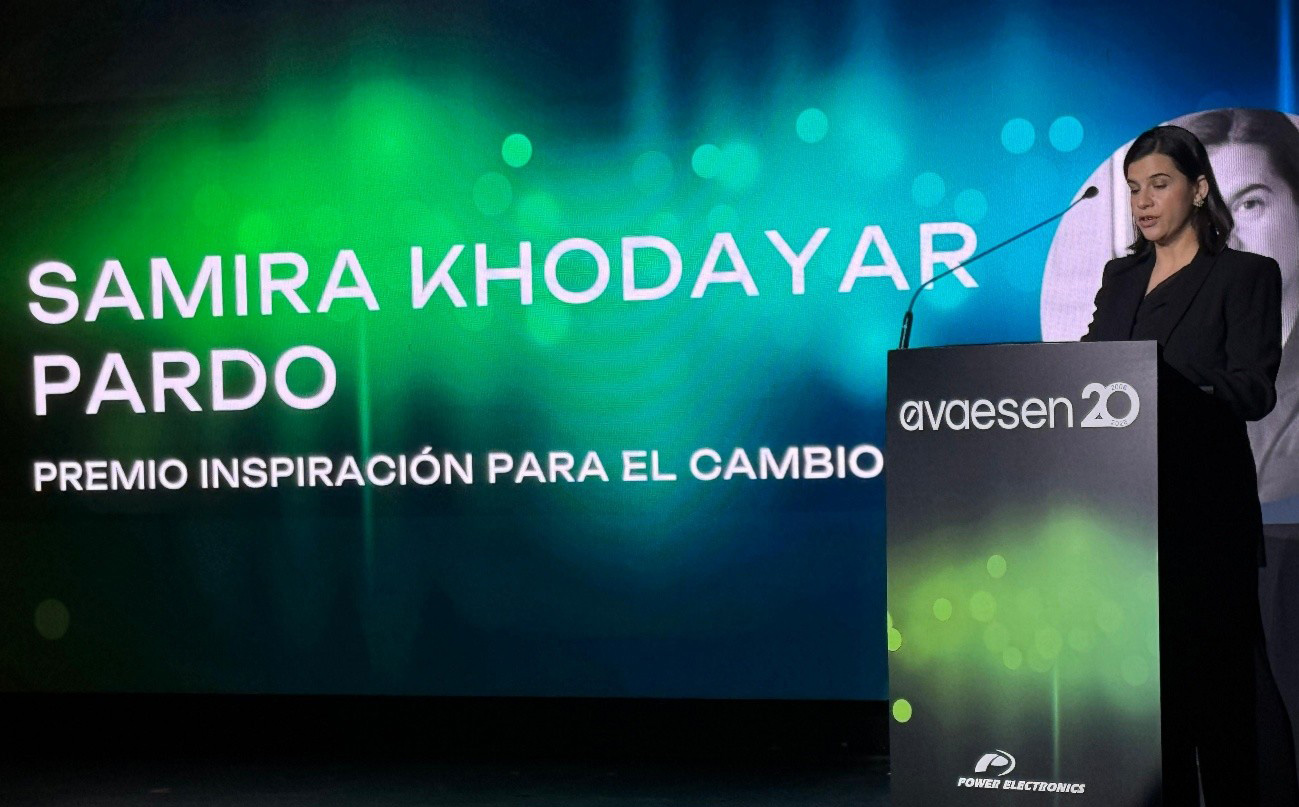
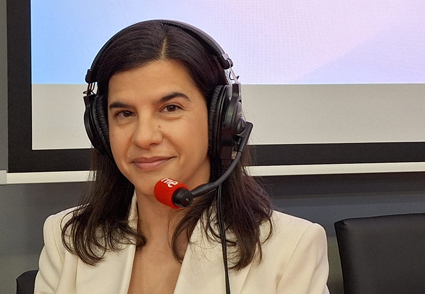
Samira Khodayar Pardo, Head of the Meteorology and Climatology Area at CEAM, opened the seminar “Lessons Learned after the DANA in València”, organized by the University of Valencia, the Escola Europea de Pensament Lluís Vives, and the Chair for Climate Change, and held at the Centre Cultural La Nau.

The event, coordinated by Professor Emeritus of Human Geography Joan Romero and Professor of Physical Geography Ana Camarasa, brought together experts from the scientific community, representatives of public authorities, key economic actors from the region, essential public services, and members of civil society.
During her talk, “A climate reflection on the past with an eye to the future,” Samira Khodayar emphasized that the extreme event of October 2024 acted as a “mirror of accumulated vulnerabilities” in the Mediterranean region, reminding that “climate change is a structural reality that amplifies the existing risks in our region.”
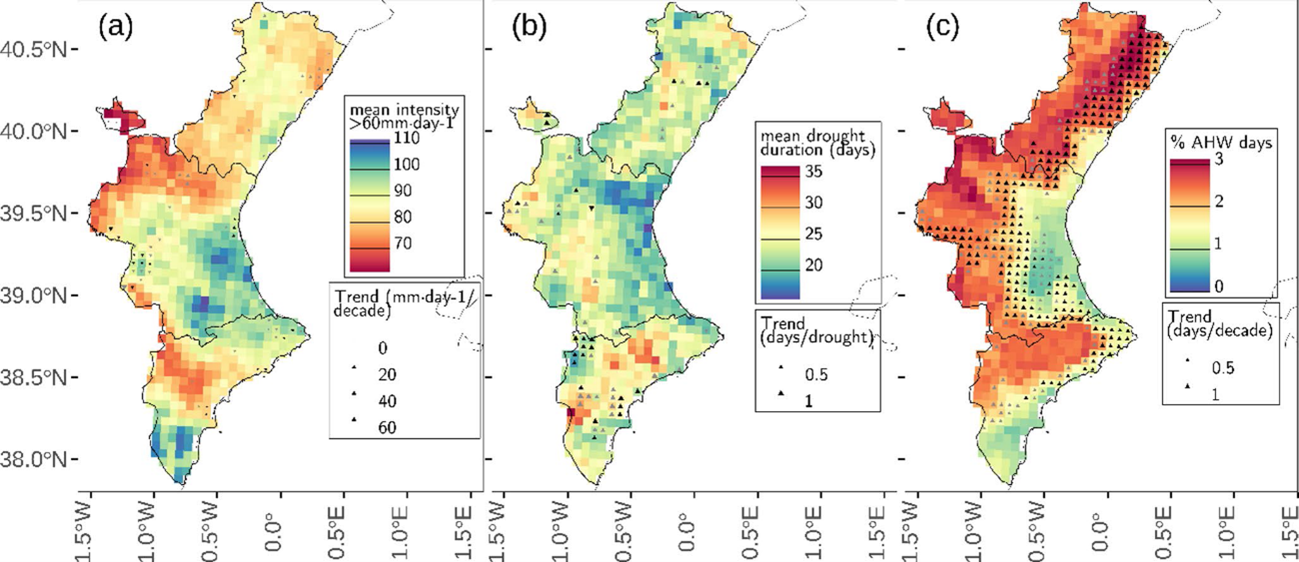
She also underlined that “the Mediterranean has shifted from being a climate moderator to an amplifier of extremes,” with increasingly frequent and intense phenomena such as floods, torrential rainfall, wildfires, droughts, and heatwaves—what she referred to as the “Mediterranean paradox,” where water “either runs short or overflows.”
She further noted that “every extreme event has an economic and human echo, and the impacts cascade through productive and social chains, highlighting the interdependence of sectors.”
Khodayar pointed out that current trends remain continuous, although interannual variability is increasing, with more pronounced alternation between very dry and very wet years, and a growing likelihood of extreme precipitation, especially along the northern coast.
Professor Ana Camarasa explained how the hydrological cycle is accelerating as a result of climate change, leading to flash floods that reduce the soil’s ability to absorb water and increase surface runoff, resulting in lower water availability and less time to react during emergencies.
Teodoro Estrela, Deputy to the President of the Júcar River Basin Authority, highlighted the exceptional magnitude of the flows recorded during the DANA, which far exceeded expectations: “Estimates indicate that around 3,200 m³ per second circulated, while 500-year scenarios had forecast a maximum of 1,200.”
Professor Emeritus Joan Romero stressed the need to rethink territorial management and restore respect for natural risk in one of the world’s most vulnerable regions in the face of climate change.
The seminar underscored the importance of science as an essential tool for decision-making. As Ester Alba, Vice-Rector for Culture and Society at the University of Valencia, reminded attendees, “science is not a luxury—it is a necessity.”