News
CHARMeD: a new European project to anticipate combined heat and aerosol risks in the Mediterranean
- October 5, 2026
- Meteorology and Climatology
CEAM’s Meteorology and Climatology Area is participating in CHARMeD, a project under ECMWF’s CAMS National Collaboration Programme.
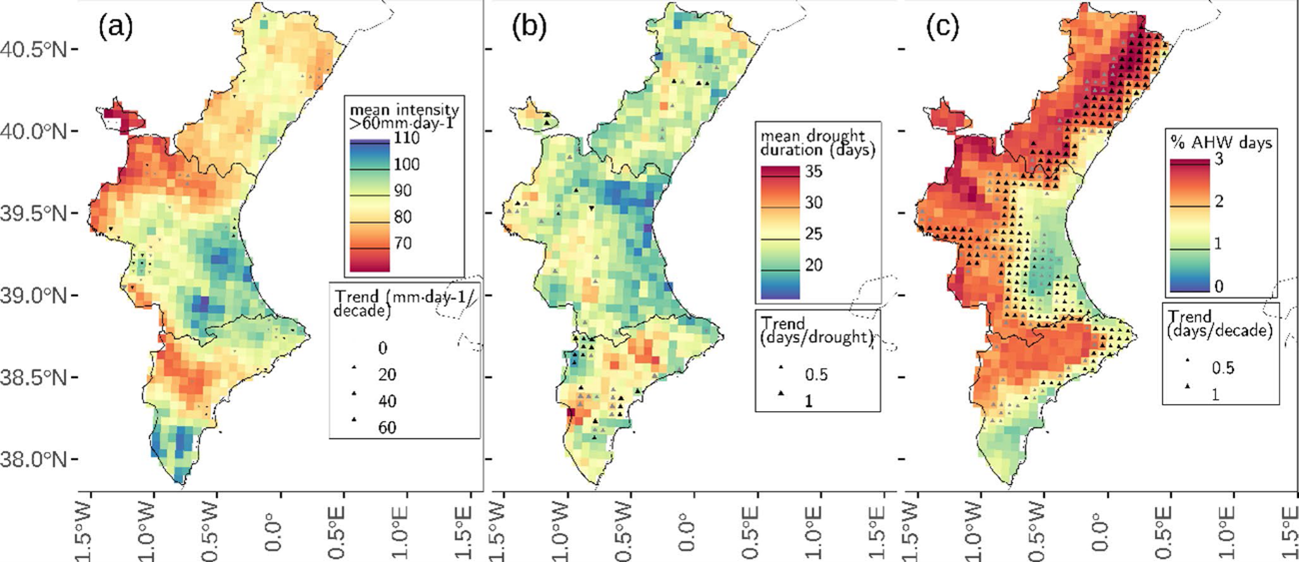
CEAM’s Meteorology and Climatology Area is participating in CHARMeD, a project under ECMWF’s CAMS National Collaboration Programme, where it leads the analysis of heatwaves, compound heat–aerosol events and their health impacts, with València and the Peloponnese as regional demonstration cases.
CHARMeD – Compound Heatwaves and Aerosol Risk in the Mediterranean, is a new project developed within the CAMS National Collaboration Programme, implemented by the European Centre for Medium-Range Weather Forecasts (ECMWF) on behalf of the European Union.
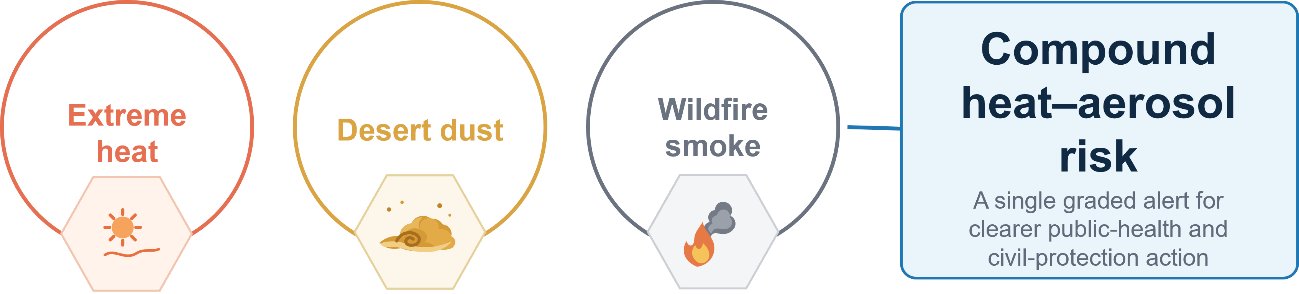
CHARMeD aims to improve the understanding, characterisation and anticipation of risks associated with compound episodes of extreme heat and atmospheric aerosols, including mineral dust, smoke and other types of aerosols, with particular attention to their impacts on health across the Mediterranean region.
The CEAM team will lead the work related to the analysis of heatwaves, compound heat–aerosol events and their health impacts, integrating meteorological, environmental and health information and using, among other sources, products from the Copernicus Atmosphere Monitoring Service (CAMS) and climate reanalyses.
València will be one of the project’s two regional demonstration cases, together with the Peloponnese. In both regions, tools will be developed and evaluated to improve risk anticipation and support warning systems and decision-making approaches that consider not only meteorological and environmental hazards, but also their potential impacts.
In the Valencian case, CEAM will work closely with the Generalitat Valenciana, through the Conselleria de Medio Ambiente and, in particular, the Dirección General de Calidad y Educación Ambiental, to ensure that the scientific developments respond to specific regional needs and can contribute to improving preparedness and decision-making in the face of extreme events.
CHARMeD will help advance towards more integrated and impact-oriented climate and environmental services, capable of transforming meteorological and aerosol information into actionable knowledge for anticipating risks and supporting decision-making. In this way, the project will contribute to strengthening preparedness and response capacity to compound risks that are becoming increasingly relevant across the Mediterranean in a changing climate.