News
CEAM addresses the risks of the Mediterranean’s changing climate at the VIII Ibiza and Formentera Marine Forum
- October 28, 2026
- Meteorology and Climatology
Samira Khodayar, discussed the intensification of climate extremes, their socioeconomic impacts, and the need to strengthen our capacity for anticipation and adaptation.

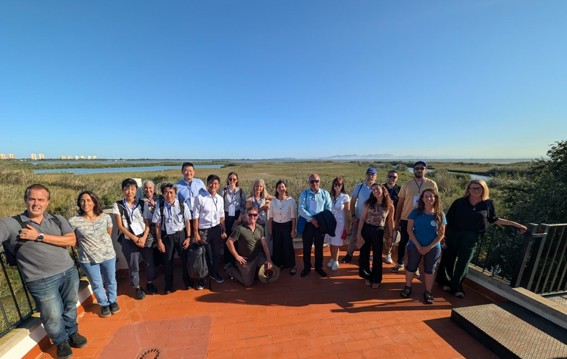
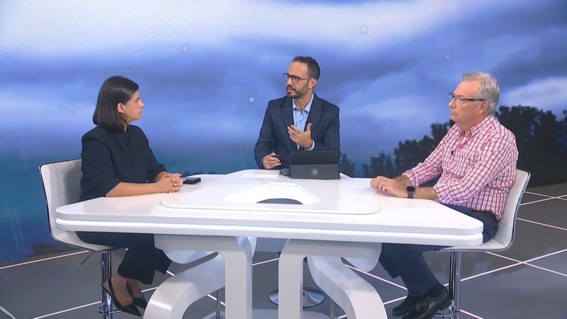
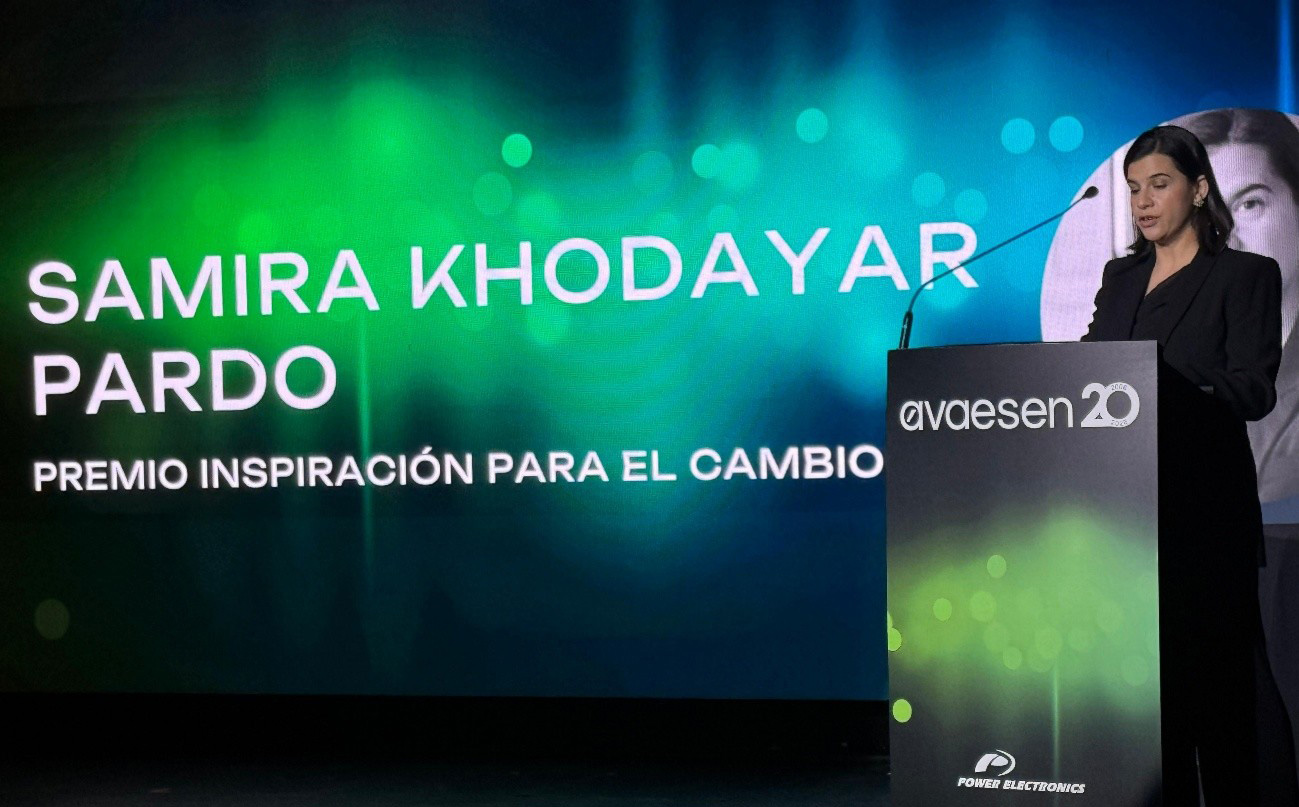
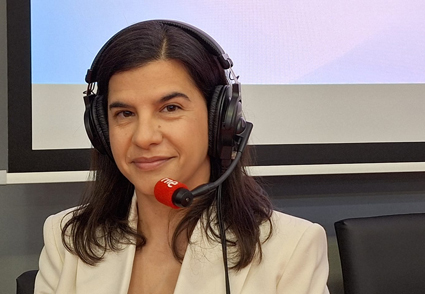
Samira Khodayar, Head of CEAM’s Meteorology and Climatology Department, participated in the 8th Ibiza and Formentera Marine Forum on 21 October 2026. The event brought together experts, institutions, and representatives from different sectors to address the major environmental challenges facing the Mediterranean and promote solutions for its conservation and resilience.
During her presentation, entitled “Climate Change in the Mediterranean: From Scientific Knowledge to Anticipating Its Consequences”, Khodayar highlighted the main changes observed in the Mediterranean climate system and their implications for territories, ecosystems, and socioeconomic activities.
The presentation emphasised the accelerated warming of the Mediterranean region, particularly its sea surface waters, and its influence on different types of extreme events. Key challenges discussed included atmospheric and marine heatwaves, prolonged droughts, torrential rainfall, and the growing relevance of compound climate extremes, in which different events may occur simultaneously or in succession, amplifying their impacts.
Khodayar stressed that climate risk is determined not only by the severity of meteorological hazards but also by the exposure and vulnerability of territories. This interaction is particularly relevant for island regions such as Ibiza and Formentera, where significant pressure on water resources, coastal ecosystems, and infrastructure increases vulnerability to climate-related impacts.
The presentation also addressed the economic and social consequences of climate extremes, highlighting the need to move beyond predominantly reactive emergency management towards strategies based on anticipation, prevention, and adaptation.
As an example of the scientific capabilities developed at CEAM, Khodayar introduced MEDMOS (Mediterranean Monitoring System), a platform for monitoring Mediterranean sea surface temperatures and marine heatwaves. The system enables the tracking of thermal anomalies and contributes to a better understanding of the ongoing changes affecting the Mediterranean basin.
Her participation was part of the session “From Climate Risk to Mediterranean Regeneration”. The event also featured discussions on Posidonia seagrass conservation, marine biodiversity, and climate change communication.
The presentation concluded by emphasising the importance of transforming scientific knowledge into the capacity to anticipate climate risks and make informed decisions that help protect people, ecosystems, and economic activities.
More information: VIII Foro Marino de Ibiza y Formentera
MEDMOS platform: https://medmos.eu/